
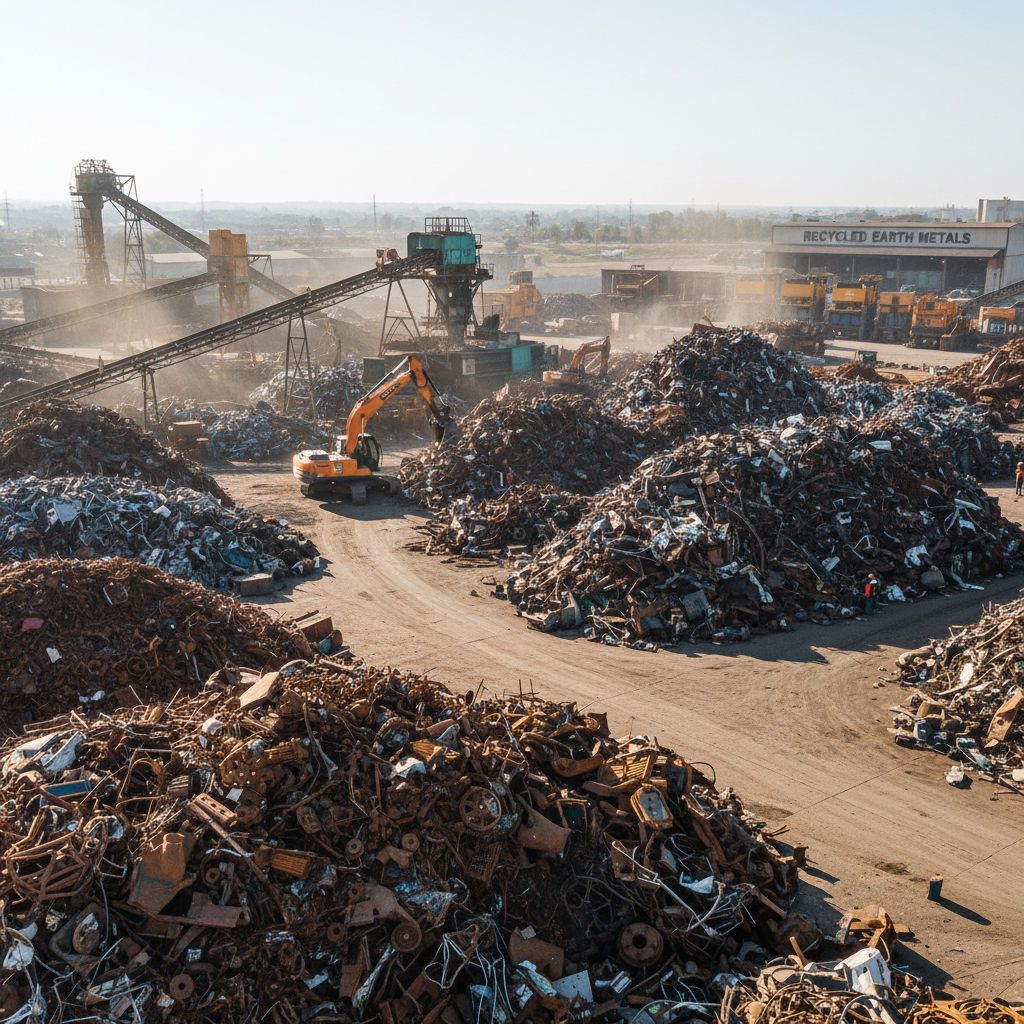
Discover iron scraps for sale with comprehensive recycling solutions. Learn about HMS grades, quality standards, and environmental benefits.
Iron Scrap Grades and Classification
HMS 1 (Heavy Melting Steel) consists of steel scrap over 25mm thickness. HMS 2 includes thinner steel and mixed ferrous materials. Shredded scrap is processed through industrial shredders for uniform size. Cast iron scrap comes from machinery and industrial equipment.
- •HMS 1 Specifications
- •HMS 2 Characteristics
- •Shredded Scrap
Quality Standards and Testing
Chemical composition analysis ensures proper steel grades. Contamination testing removes non-ferrous materials. Density and weight specifications maintain consistent quality. Regular sampling verifies batch compliance.
- •Chemical Analysis
- •Contamination Testing
- •Weight Standards
Environmental and Economic Benefits
Recycling iron reduces mining and extraction environmental impact. Energy savings of 60% compared to virgin steel production. Reduced landfill waste and pollution. Economic value recovery from industrial waste.
- •Environmental Impact
- •Energy Savings
- •Economic Value
Market Dynamics and Pricing
Iron scrap prices fluctuate based on global steel demand. Commodity market influences pricing trends. Volume purchasing offers better pricing. Long-term contracts provide price stability.
- •Market Trends
- •Pricing Factors
- •Contract Options
Bulk Iron Scrap Sourcing and Logistics
Holland SEFG sources quality iron scrap from reliable suppliers. Efficient logistics minimize transportation costs. Flexible delivery accommodates customer requirements.
- •Supplier Network
- •Logistics Efficiency
- •Delivery Options